
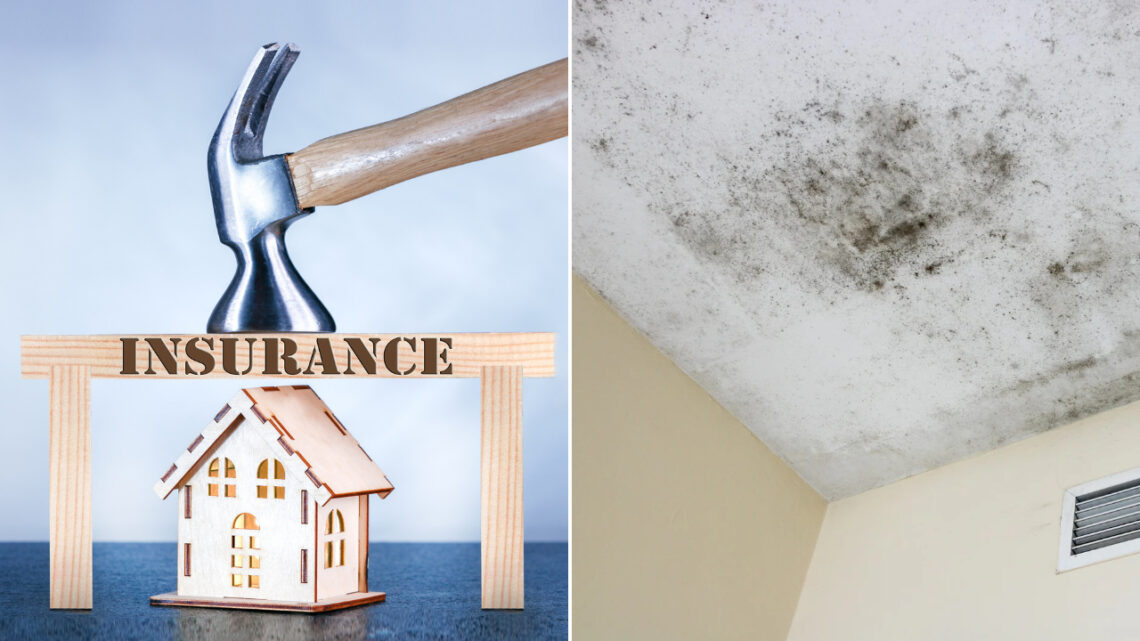
Homeowners insurance sometimes covers mold in walls, ceilings, and basements, but coverage usually depends on what caused the moisture, not where the mold appears.
Mold resulting from a sudden, covered event, such as a burst pipe, may qualify. Mold caused by long-term leaks, humidity, flooding, or neglected maintenance generally does not.
The Illinois Department of Insurance makes that distinction clear. Even when the original water damage is covered, an insurance policy can separately exclude or limit mold-related expenses.
I’ve always found this one of the more frustrating aspects of homeowners insurance. A damaged wall is still a damaged wall, regardless of whether the water arrived yesterday or accumulated over six months. Financially, though, the difference can be enormous.
And with home insurance costs rising nearly 50% over five years, I think homeowners have every reason to examine exactly what those increasingly expensive policies protect.
When Does Homeowners Insurance Cover Mold?
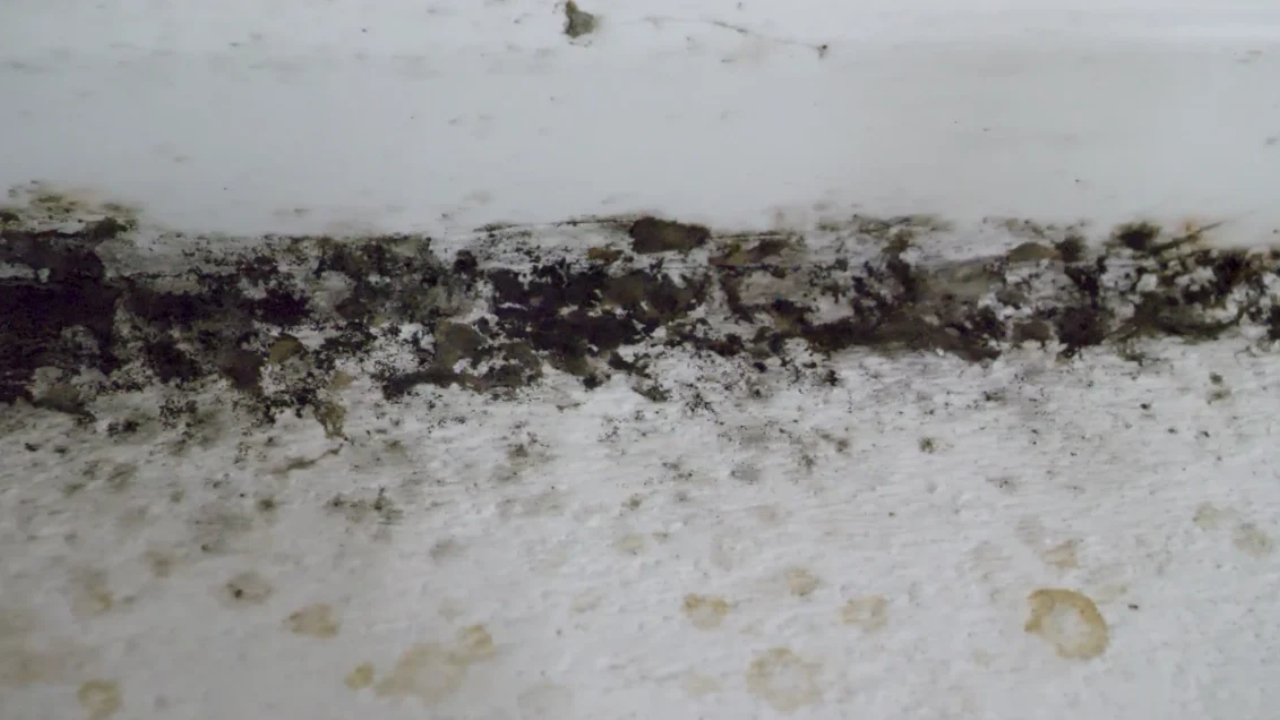
Homeowners insurance is most likely to cover mold when it develops directly from a sudden, accidental incident that your policy covers.
Common examples include:
- A pipe unexpectedly bursts inside a wall.
- A washing machine hose ruptures and floods a room.
- A covered storm damages the roof, allowing water into the ceiling.
- Water used to extinguish a covered house fire causes mold damage.
Coverage still depends on the policy’s mold exclusions, endorsements, limits, and the circumstances of the loss.
Consider a pipe bursting behind a kitchen wall. The insurer may pay for damaged drywall, flooring, and eligible mold remediation. However, replacing the failed pipe itself may remain the homeowner’s responsibility.
I think homeowners sometimes misunderstand the purpose of insurance here. A policy generally protects against specified losses, not every expense involved in returning a house to perfect condition.
The distinction becomes particularly important when mold develops somewhere you cannot easily inspect.
Does Home Insurance Cover Mold in Walls?
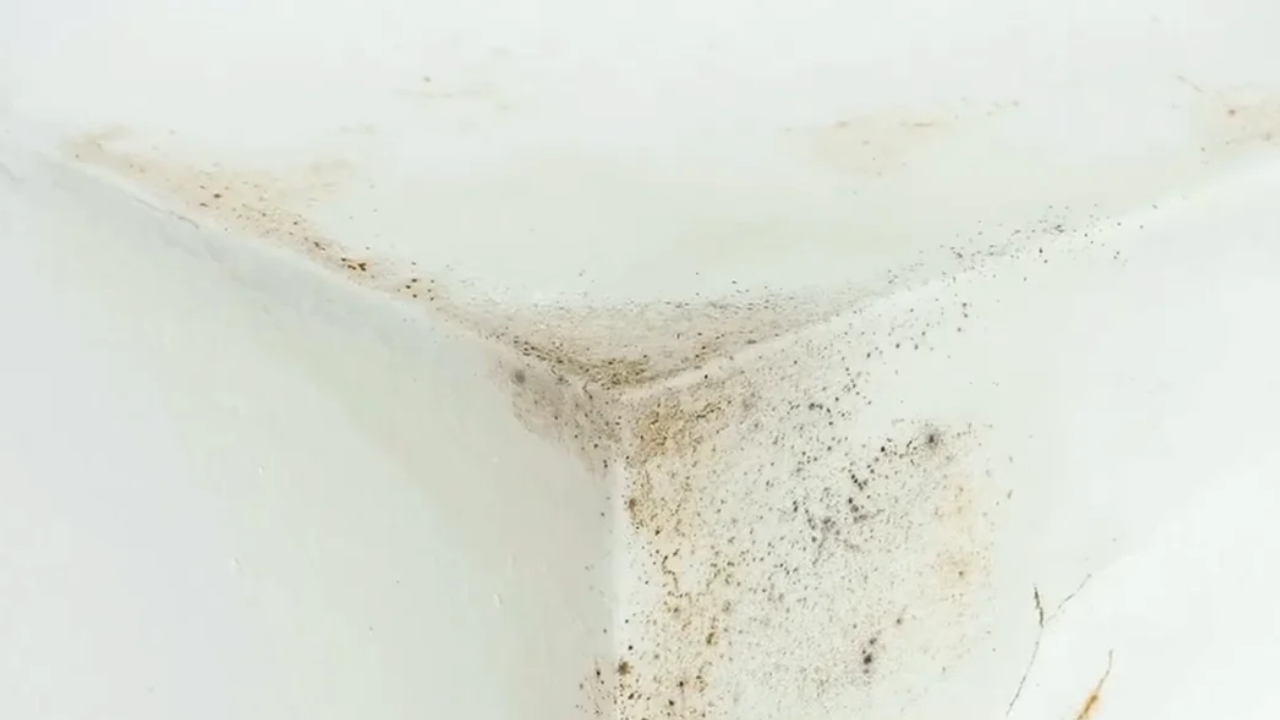
Mold inside walls can be covered when it results from a covered water-damage event. A suddenly broken plumbing connection is a reasonable example.
However, mold caused by a slow, persistent leak is much less likely to qualify.
Imagine discovering mold behind your bathroom drywall. A pipe has apparently been dripping for months, but nobody noticed because the moisture remained concealed.
The hidden location does not automatically make the damage insurable.
That’s a distinction I would pay attention to. Homeowners sometimes assume that because they couldn’t see a problem, their insurance company must treat it as unexpected. Unfortunately, hidden and sudden are two different things.
During my appraisal years, evidence of moisture was something I took seriously because the visible stain rarely told the entire story. Fresh paint could improve appearances, but it couldn’t establish whether the underlying problem had been corrected.
And repairing concealed mold can involve considerably more than cleaning the visible surface. Drywall, insulation, trim, and other affected materials may need attention.
Does Home Insurance Cover Mold on Ceilings?
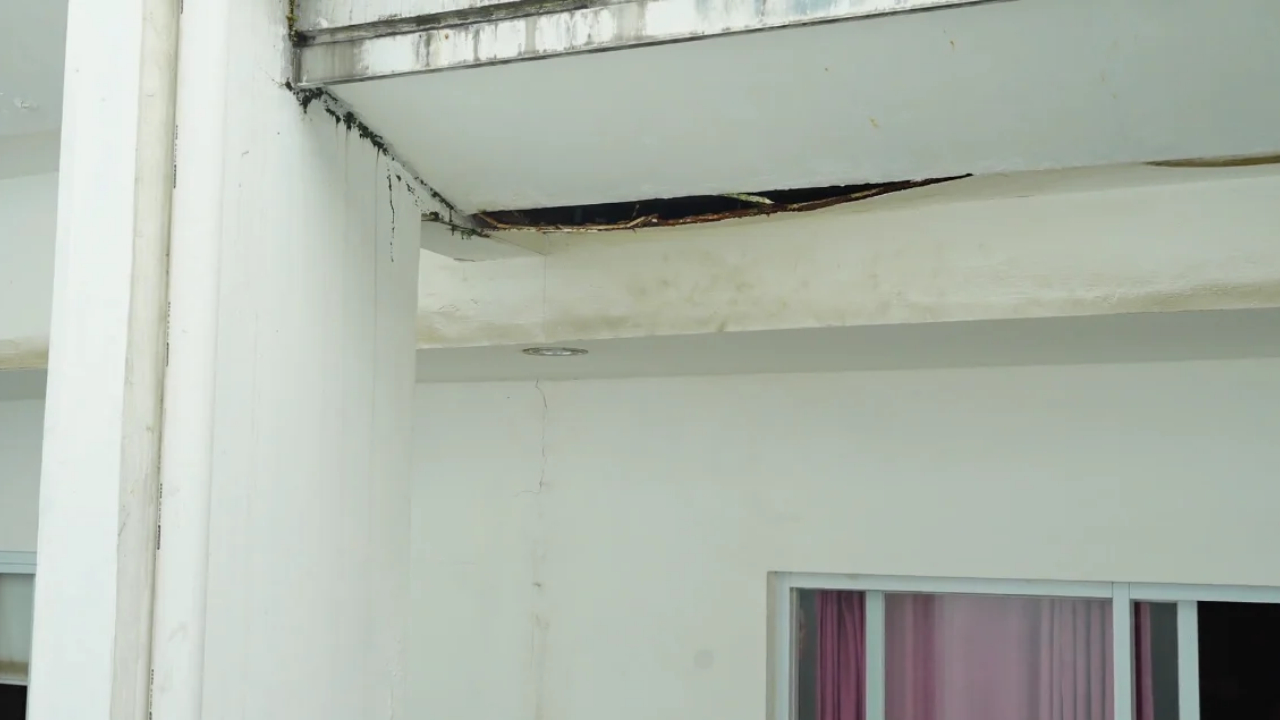
Ceiling mold follows essentially the same insurance rules.
If a covered storm suddenly damages your roof and rainwater enters the house, the resulting water damage and mold may qualify for coverage.
A roof that has leaked gradually because of deteriorated flashing, worn materials, or neglected repairs is another matter.
Condensation also deserves attention. Poor attic ventilation, inadequate insulation, and persistent indoor humidity can create moisture problems without a dramatic leak.
Those conditions are generally considered maintenance-related rather than insured accidents.
My concern with ceiling stains is how easily homeowners underestimate them.
A brown patch might look like a painting job. Yet the real problem could involve wet insulation, damaged sheathing, or continuing roof leakage.
Covering the stain before identifying the moisture source can turn a manageable repair into a much more expensive one.
Does Home Insurance Cover Basement Mold?
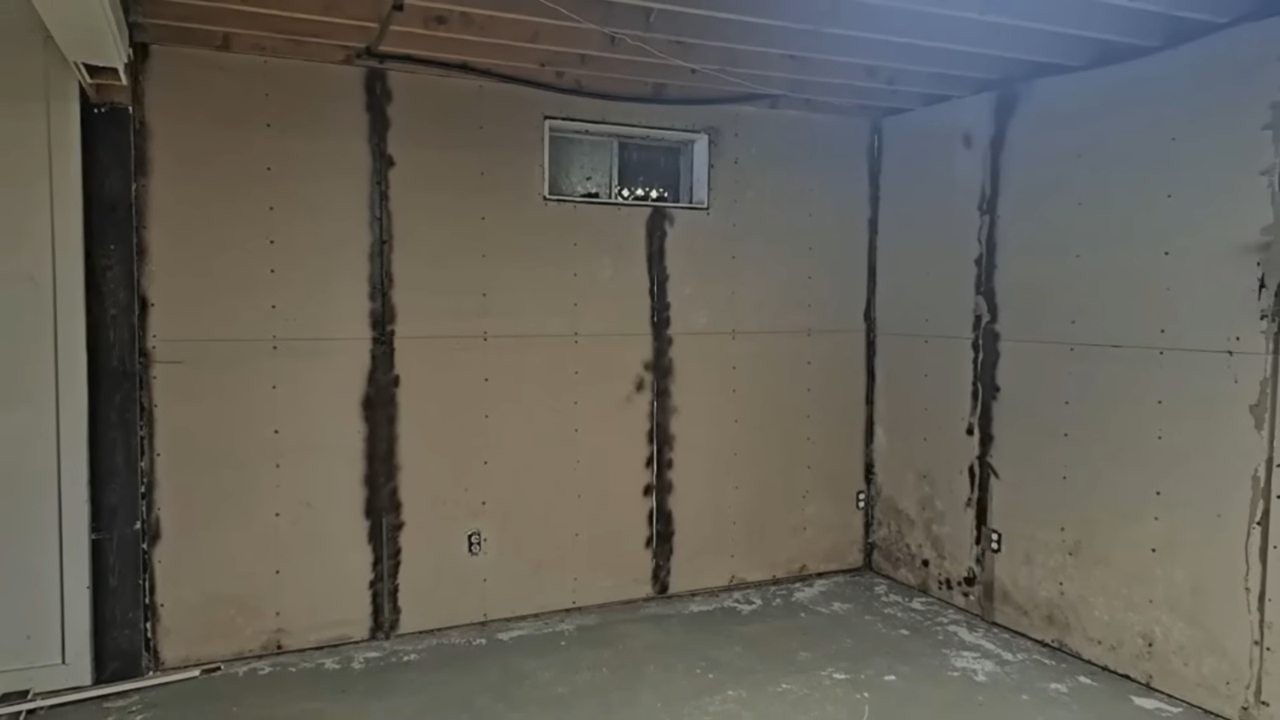
Basements are particularly complicated because moisture can enter from several directions.
A burst supply pipe in a basement may create a covered loss. However, mold associated with groundwater seepage, foundation cracks, recurring dampness, or outside flooding generally falls outside standard homeowners coverage.
Sewer backups and sump pump failures also typically require separate or additional coverage.
The Insurance Information Institute explains that standard homeowners policies exclude flooding, with separate flood insurance available.
Even then, don’t assume flood insurance automatically covers subsequent mold. The National Flood Insurance Program has restrictions on mold damage and requires homeowners to take reasonable steps to prevent additional losses.
In my opinion, basements deserve more attention during routine home maintenance than they receive.
A damp basement can be easy to dismiss, especially when there is no standing water. Yet recurring moisture can affect finished walls, stored belongings, flooring, and eventually the cost of maintaining the property.
For homeowners with finished basements, that financial exposure is particularly worth examining.
Mold Coverage Limits Can Leave You With a Large Bill
Even when an insurer approves a mold claim, the amount payable may be substantially lower than the home’s overall dwelling coverage.
Some policies contain separate mold limits, sometimes called sublimits. Others exclude mold entirely or provide additional coverage through endorsements.
The Illinois Department of Insurance gives an example of policies limiting mold claims to $5,000, although actual limits vary.
Suppose an eligible mold cleanup costs $8,000 and your policy has a $5,000 mold limit.
You could face at least $3,000 in uncovered expenses, even before considering applicable deductibles or other excluded work.
That’s why I would never judge mold protection solely by a policy’s impressive-looking dwelling coverage figure.
A $400,000 homeowners policy does not necessarily provide $400,000 for mold removal.
Check whether your mold coverage includes testing, removing contaminated materials, professional remediation, and restoring affected surfaces. Those expenses can be treated differently depending on the contract.
The problem also illustrates why unexpected home repairs regularly disrupt planned improvement projects. Homeowners may have money earmarked for a bathroom renovation, only to discover that necessary moisture repairs must come first.
What Should You Do If You Discover Mold?
I would start with the water source rather than the insurance paperwork. Preventing further damage matters whether the eventual claim is accepted or denied.
Here is the order I recommend:
- Find and stop the moisture source. Shut off leaking plumbing when safe, address active water intrusion, and contact a qualified professional when necessary.
- Document the damage. Photograph visible mold, water stains, damaged materials, and the surrounding area before cleanup.
- Contact your insurer promptly. Explain what happened, when you discovered it, and what you know about the water source. Ask about the applicable coverage and claims process.
- Prevent additional damage. Arrange necessary drying and emergency mitigation without unnecessarily delaying action for an adjuster. Keep receipts and records, and coordinate major demolition with your insurer when possible.
- Obtain a detailed repair assessment. Have qualified professionals identify the moisture source, affected materials, and necessary remediation. Request written estimates.
The National Association of Insurance Commissioners recommends documenting damage, promptly contacting the insurer, and understanding your deductible before pursuing a claim.
One additional point: a claim denial does not automatically establish that the insurer was correct. If the explanation seems inconsistent with your policy, request the specific exclusion or limitation in writing and consider contacting your state insurance department.
Preventing Mold Is Usually Cheaper Than Dealing With It
The Environmental Protection Agency recommends drying wet building materials within 24–48 hours to help prevent mold growth. It also emphasizes fixing moisture problems rather than simply cleaning visible mold.
View this post on Instagram
Practical precautions include monitoring indoor humidity, maintaining gutters and drainage, inspecting plumbing connections, and investigating water stains immediately.
I also favor checking less frequently visited areas, particularly basements, attics, and spaces around water heaters.
A relatively inexpensive moisture problem does not become less expensive by being ignored.
Our reporting found that 18% of homeowners had no maintenance budget in 2025. That worries me precisely because problems such as mold don’t wait until money becomes convenient.
A home maintenance reserve is no substitute for insurance, but insurance is certainly no substitute for maintenance.
Check Your Mold Coverage Before You Need It

If I were reviewing a homeowners policy today, I would ask the insurer three straightforward questions.
Does the policy cover mold caused by sudden water damage? What specific dollar limit applies? Can an endorsement provide broader protection, including certain hidden leaks or water-backup incidents? I would want those answers in writing.
After decades around residential property, I’ve become increasingly convinced that homeowners should spend as much time understanding their insurance exclusions as they do comparing premiums. Mold is a good example of why.
California offers another reason to examine insurance expenses. Some homeowners now pay additional fees tied to wildfire claims, even if they have never filed a claim.
The real question isn’t simply whether your insurance covers mold in a wall, ceiling, or basement. It’s whether the event that caused it is covered, and how much protection remains once the exclusions, limits, and deductible are applied.
That’s the number worth knowing before the ceiling starts staining or the basement begins smelling damp.